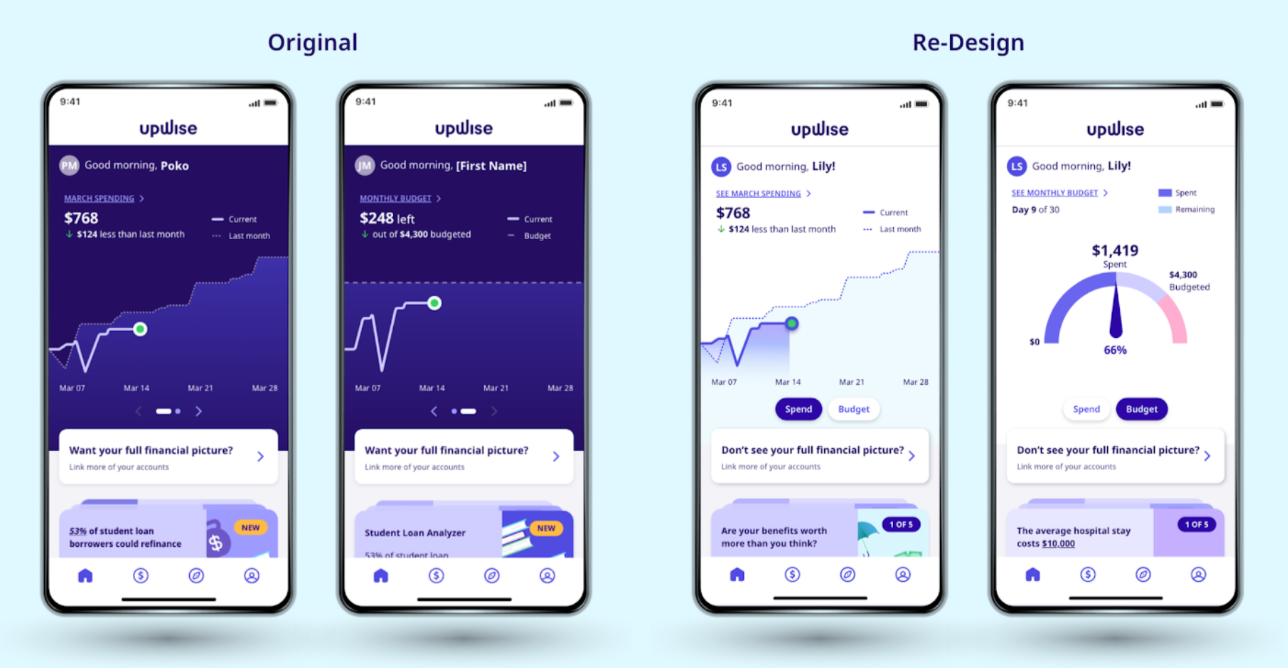
Increasing an App's "Stickiness"
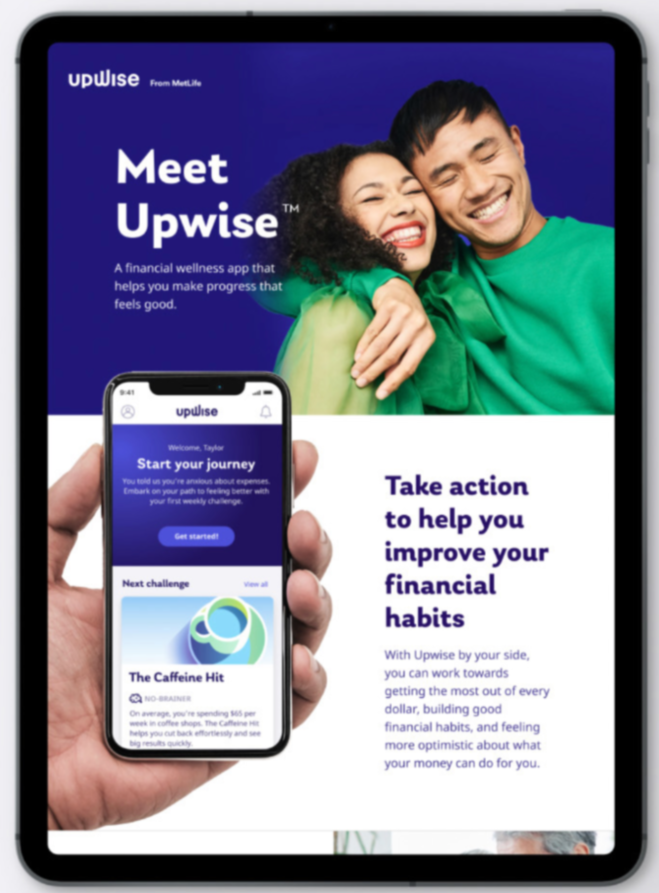
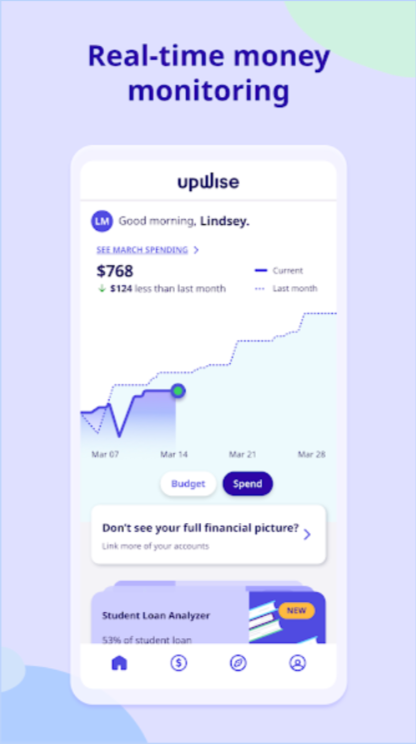
MetLife was facing stagnate engagement rates for its financial wellness app – Upwise. They wanted to better understand now to keep users engaged and coming back to the app utilizing UX, content & digital strategies. Sticky users have a higher lifetime value for an app. When users engage with an app for an extended period, they are more likely to make in-app purchases, upgrade to premium versions, or subscribe to other services. I was tasked with demystifying app ‘stickiness’ versus ‘retention’ and identifying app engagement feature the UX team could consider.
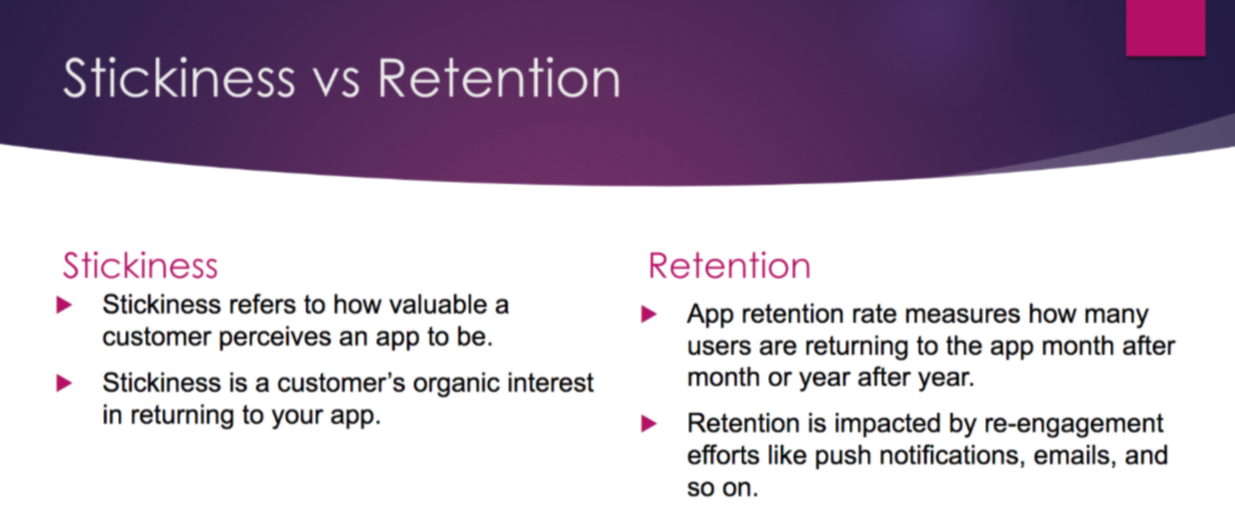
DEMYSTIFYING STICKINESS
How to Calculate Stickiness
- Stickiness is calculated by looking at the ratio of daily active users (DAU) to monthly active users (MAU) to evaluate how many users are returning to the app regularly. To calculate your app’s stickiness, divide your DAU by your MAU and multiply the result by 100 to express it as a percentage.
- For example, if an app has 5,000 daily uses, and 50,000 monthly users, one would calculate the stickiness by dividing 5,000 by 50,000 for a total of .1, which can then be multiplied by 100 to arrive at a 10% stickiness ration.
- Across industries, 20% is considered a successful stickiness ratio for an app. Specifically for financial app 2022 metrics indicate 22% is a successful ratio.
- Power Users are a good metric to gauge which users find the most value in your app. Once you know who your power users are, it’s important to understand how they are using your app.
Challenges to Stickiness
- Apple and Android have close to 86,000 and 114,000 applications, respectively.
- One study of 30 million paid downloads from Apple’s App Store found that only 30% of those paid apps were used the day after they were purchased (Yardley, 2009).
- The user retention of an average app in both iPhone and Android stores falls to barely 5% by the end of the third month since downloading the app.
- Nielsen’s study suggests that only 36% of all downloaded apps are used frequently by consumers and 62% of the consumers who download an app typically delete it within two weeks.
App Features Recommended to Achieve "Stickiness"
#1 Personalization
- Habit Formation: You must form users’ habits to increase your app's retention and, at the same time, your app’s stickiness. To create the user’s habit, you need to encourage them to make an action by a cue and reward him afterward.
- Personalization: Personalization forms a long-term relationship with your users. Personalized emails are one of many ways to add personalization to your app. Push notifications and suggested content can help you engage the users with your app and not lose their interest.
- Leader Boards and Competitions: The need for a user to come back to achieve a goal supplemented by referrals and reward make for valuable sticky features.
#2 Time Boxed Content
- Time-boxed Content: If the content on your product is always available there’s no urgency to come back to the app and constantly visit. Very sticky products offers stories that expire in 24-hours, with new content available for them to use after.
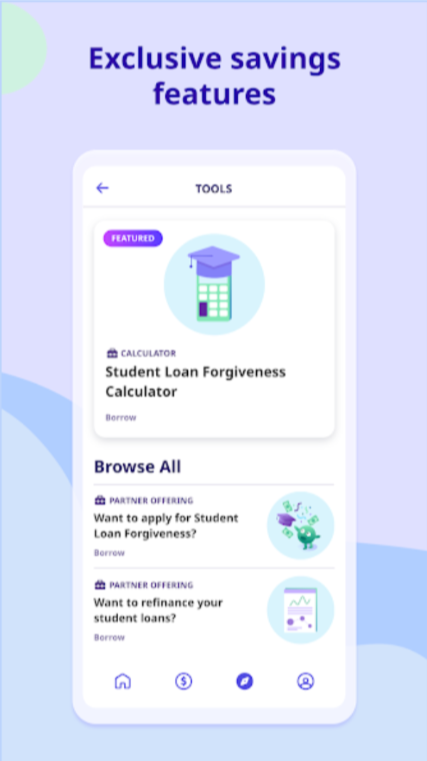
- Exclusivity: What is something users can only get on your platform.
- Solve a Problem: What is the core problem the app is trying to solve and why hasn’t the problem been solved yet? How is the app solving the problem differently this time.
#3 Ask Only What You Absolutely Need
- Feedback Mechanism: Feedback gives insights into what your users like in your app and makes them feel part of the app’s evolution.
- Ask Only What You Absolutely Need: Regarding permissions, you want to ask as late as possible. If your application cannot provide value without a piece of information or access, then ask for this right away.
- Strategic Use of Push Notifications: Push notifications can be a great way to engage customers with personalized content. In fact, push notifications have been found to boost retention rates by 20 percent.
#4 Leverage In-App Messaging
- Leverage In-App Messaging: Research shows utilizing in-app messaging can contribution to a 3.5 times higher user retention. It’s another way with personalized information. In-app messages are especially useful since they allow you to send messages based on specific actions the user is making while using the app.
- Incentivizing & Loyalty Programs: Offer perks to your longtime users. Whether it’s discounts or early access to a new feature, it’s a way to let your customers know that you value them.
- Allow for Social Media Connectivity: our users are already using social media platforms to talk about what they are doing. Make it easy for them to post about using your app while they are using it. It’s another level of engagement for your user.